
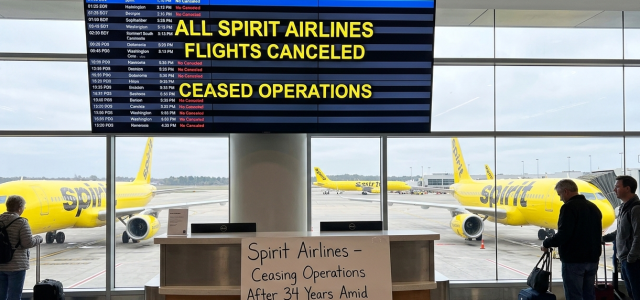
Spirit Airlines has officially shut down operations after more than three decades in business, ending one of the most recognizable low-cost airline brands in the United States.
The airline’s collapse follows months of financial pressure, rising fuel costs, and failed restructuring efforts.
Reports indicate creditors rejected proposed recovery plans, leaving the company unable to continue operations.
The shutdown is expected to affect thousands of employees and disrupt travelers with pending bookings.
Industry experts say the airline sector remains under pressure from fuel volatility, labor costs, and economic uncertainty.
Competitor airlines may now absorb parts of Spirit’s routes and customer base.
Travel analysts warn that reduced low-cost competition could lead to higher ticket prices in some markets.
Key Points:
- Spirit Airlines shuts down
- 34 years of operations end
- Financial restructuring failed
- Travel market impact expected
Context:
The airline industry has faced rising operational costs and tighter financial conditions in recent years, increasing pressure on budget carriers.