
Global oil markets are under pressure again.
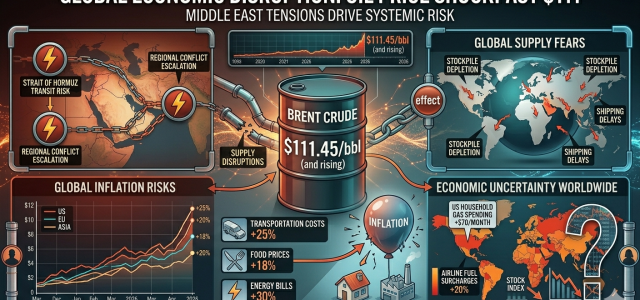
Crude prices jumped sharply this week as conflict-driven supply fears in the Middle East triggered fresh panic among traders and governments.
The rise is now raising fears of inflation, higher transport costs, and wider economic disruption.
Oil Prices Continue Climbing
Brent crude rose above $111 per barrel, marking its strongest weekly move in months.
Analysts say the increase reflects growing uncertainty around regional supply routes, especially the Strait of Hormuz.
This waterway is one of the most important oil transit routes in the world.
Any disruption there affects global supply almost instantly.
Energy Companies See Major Profit Gains
Major oil companies are benefiting from price volatility.
BP reported quarterly profits of $3.2 billion, more than double from the same period last year.
The company said strong trading performance and price spikes boosted earnings.
Critics argue energy companies are gaining while consumers face rising bills.
Inflation Concerns Return
Higher oil prices often push up transportation and production costs.
That can lead to broader inflation.
Economists warn central banks may delay interest rate cuts if energy prices remain elevated.
For consumers, fuel and electricity costs could rise further.
Global Markets Watching Closely
Investors are monitoring whether tensions escalate or stabilize.
Energy analysts say prolonged supply uncertainty could keep oil above $100 for weeks.
Airlines, shipping firms, and manufacturers may face increased operating costs.
- Oil prices crossed $111
- Energy supply fears remain high
- Inflation risk increasing globally
- BP profits jump sharply
- Global markets remain volatile
The Middle East remains one of the world’s biggest oil-producing regions.
The Strait of Hormuz is a strategic chokepoint for oil exports.
Historically, tensions in the region have caused rapid energy market reactions.
This latest surge follows renewed geopolitical pressure and supply concerns.
The latest oil rally shows how quickly geopolitical tensions can impact the global economy.
If supply routes remain unstable, fuel prices could continue climbing.
For households and businesses, that may mean higher costs in the months ahead.
Markets now wait for the next move.